Celebrating ‘National Poetry Day’

National Poetry Day is a national celebration of poetry held each year on the first Thursday of October. Today, pupils, parents and teachers have been sharing their favourite poems and writing their own. Here are two poems written by a five-year-old pupil from Mountain class:

Where Are You?
 
Where are you Cat?
Where are you Dog?
Oh there you are cat and dog!
 
Penguin
 
You are so small - where are you?
Come here now
Little penguin

Ocean Class - portraits from natural found objects

Leaves Faces 3

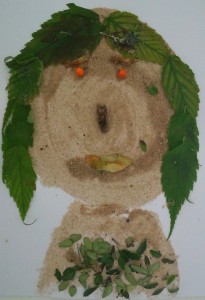
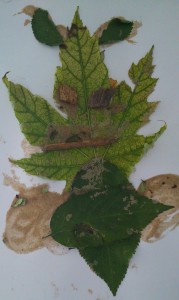
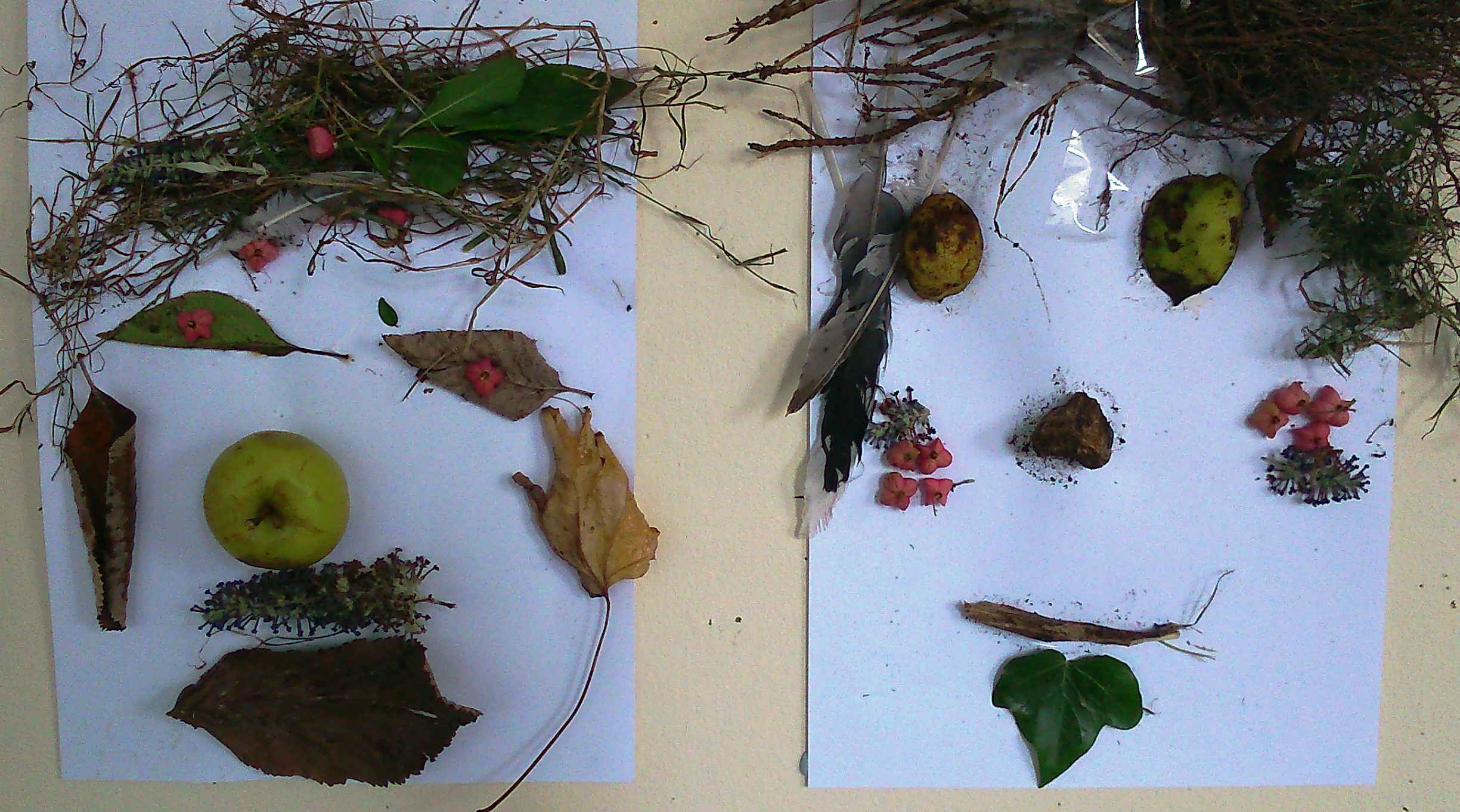
Ocean class have been making some portraits from natural found objects from the school grounds:

“We walked outside and found conkers, leaves, feathers and stuff that we could make faces with. It was fun because things I thought were just one thing like a leaf or grass could become part of something else, like they could be hair or a mouth on a face. You can change them into other things.”

“Things that are dead and even dirty that you might walk on if you weren’t looking out can be good for making pictures.”

- Ocean class pupils

Leave Face 2 Leave Face


Ocean Class: “We’re Gonna Be Friends”

Ocean Class and teacher Ross Young have recorded a song to mark the beginning of term which is all about making new friends. It’s called “We’re Gonna Be Friends” and was originally recorded by The White Stripes: “We wanted to use mindfulness skills like perseverance, interdependence, collaboration and empathy to create a song together with a clear message of friendship and open heartedness. Each part of the song created by the children has made the whole!” say Ross.

Ocean have also produced some drawings and paintings about friendship which Ross has used to make a video to accompany the song. Here’s what pupils had to say:

“I liked singing the song and drawing a picture of me and my friend. There are some new people [in our class] now and it was good to sing all together to help us be friends.”

“Sometimes when you sing or are just quiet together but not talking it helps you feel part of the whole class instead of feeling on your own or just being with your own friend.”

Ocean class share their ‘bucket’ project, which encourages kindness, compassion and appreciation

Children in Ocean class (Years 3 and 4) have just finished a project based on ‘Have You Filled a Bucket Today?’ a book by Carol McCloud which encourages kindness, compassion and appreciation. Here’s what they had to say:

“Basically everyone has an invisible bucket, you can’t see it but it’s there. Whenever you are kind and nice to other people you feel good so you are filling their bucket and also your own bucket too. We made buckets and coloured them and stuck them on our classroom wall so that we could actually put messages in them - we can fill our own buckets with things we’ve done or put messages in other buckets. Things like ‘I saw my friend playing tennis and was really encouraging’ and ‘my friend dropped some books so I picked them up.’ ”

Ocean Buckets“It’s sort of like good karma, if you are kind then other people are more likely to be kind back. Just like if you are bad to someone they might be bad to you too. When you make someone feel good it’s called bucket filling, but if you do something that makes someone feel bad you are called a bucket dipper.”

“I think it’s better to have fewer messages in your bucket that mean more instead of lots of messages that just say ‘you’re cool’ and stuff. All the messages are nice but some people take more time to think of things and I try to do that. I wait until something comes along that I really want to put in instead of just writing anything. That makes me feel better.”

Pupils from Years 5 and 6 write about the Four Noble Truths

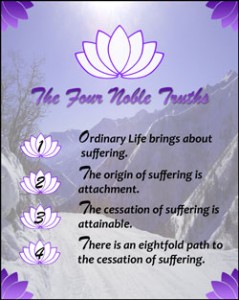
Lotus class have been doing some work on Buddhism’s Four Noble Truths and writing about suffering, attachment and letting go. Here are some short extracts from their work:

“When my great grandad died I felt really sad and I had a pain in my stomach, this was suffering. There was lots of crying because of attachment to him. At his funeral I felt really sad and the silence was so loud.When I got back home I realized that death happens to everyone and you can’t do anything about it even though it is painful. Eventually I was able to move on which was letting go.”


“I had just finished my spelling S.A.T.S paper when I started to suffer. A few of the words I had spelt wrong and I knew it. It went through my head again and again. Things started Four-Noble-Truths - 2to get annoying. Why could I not spell it right? Why? When I got my mark I hadn’t done too bad. I realised from then on that worrying about it wouldn’t help. Things would only get more stressful and complicated. To be honest I am just happy that the test is over and done with.”


“Me and my Dad were driving to school. I said that he listens to the radio channel he likes in the morning, in the evening and at lunch so we did NOT have to listen to it again. The argument kicked off and I called him names I wish I hadn’t. This is an example of the first Noble Truth, there is suffering. During the day I thought back to our argument, I was angry, really angry. I had clung on. Slowly during the day I came to terms with the letting go part of the Noble Truths. After school I apologised and all was well.”


In class my two friends had some sad news to tell me - they were leaving the school. I put my hand up and asked for the loo though I only went down there to cry. I was crying thinking my life would change as they had been my best friends since Reception. This was separation which is part of suffering and Buddha said this is the first of the Four Noble Truths. For ages after they left I was really upset and felt alone and not accepting of people’s offers to play. I was clinging to what happened in the past. This was me being attached and clinging, wishing it was different. This is the second noble truth. After a while I let go and I got more friends but never forgot my old ones.This was the third noble truth. Once I let go I was free to enjoy school and be happy again.”